Pay in installments of $5.71 with
 ,
,
 and
and

Shipping Estimate
USA
- USA
- CAN
- USA
- CAN
Ships within 48 hours · Estimated delivery Sep 25 - Sep 30
 Promo Codes Available:
For Your Every Summer RSVP, with Code: SUMMER15
Description
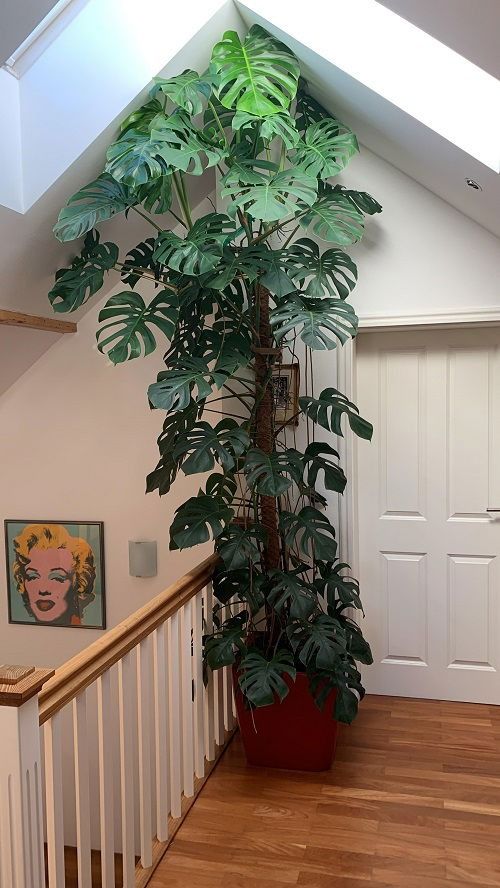
moss stick for monstera plant Monstera Deliciosa in Moss Pole 2.5 meters – Plant Studio LLCMonstera deliciosa, often known as the Swiss cheese plant or split leaf philodendron, is a popular houseplant known for its dramatic, holey leaves. Here's how to keep it thriving: Light Bright, Indirect Light: Monstera deliciosa prefers bright, indirect light. Direct sunlight can scorch the leaves. It can tolerate lower light conditions, but growth may slow down. Watering Keep Soil Moist, Not Soggy: Water when the top 1 2 inches of soil feel dry.
Monstera deliciosa, often known as the Swiss cheese plant or split-leaf philodendron, is a popular houseplant known for its dramatic, holey leaves. Here's how to keep it thriving:
Light
- Bright, Indirect Light: Monstera deliciosa prefers bright, indirect light. Direct sunlight can scorch the leaves. It can tolerate lower light conditions, but growth may slow down.
Watering
- Keep Soil Moist, Not Soggy: Water when the top 1-2 inches of soil feel dry. Overwatering can lead to root rot, so ensure the pot has good drainage. Reduce watering in winter when the plant's growth slows.
Humidity
- High Humidity: Monstera deliciosa thrives in higher humidity. If your home is dry, consider using a humidifier or placing a water tray near the plant. It can tolerate average household humidity but prefers more moisture.
Temperature
- Warm Temperatures: It enjoys temperatures between 65-85°F (18-29°C).
Soil
- Well-Draining Soil: Use a potting mix that is well-draining. A mix for tropical plants or one that includes peat, perlite, and pine bark works well.
Fertilizing
- Feed Monthly: During the growing season (spring and summer), feed your Monstera once a month with a balanced, water-soluble fertilizer. Reduce feeding in fall and winter.
Pruning
- Trim as Needed: Prune to remove any dead or damaged leaves and to control the plant’s size. This also encourages new growth.
Repotting
- Repot Every 1-2 Years: Monstera deliciosa grows quickly, so it might need repotting every 1-2 years. Choose a pot that is 1-2 inches larger in diameter than the current one.
Support
- Provide Support: As it grows, Monstera may need support for its aerial roots and large leaves. Use stakes or moss poles to help it climb and keep its structure.
Pests
- Watch for Pests: Keep an eye out for common houseplant pests like spider mites, mealybugs, and scale. Treat infestations with insecticidal soap or neem oil.
Toxicity
- Toxic to Pets: Be aware that Monstera deliciosa is toxic to pets if ingested, causing irritation to the mouth and digestive tract.
With the right care, Monstera deliciosa can be a stunning addition to your indoor garden!
Shipping Notes
- Free Standard Shipping on $100+ Orders to the USA.
- Except Preorder products are shipped in 48 hours.
- Delivery to the USA:
- Standard Shipping : 3-10 business days
- If time is of the essence, please consider selecting expedited delivery for faster service.
Exchange/Return Notes
- We offer a 30-day return/exchange service after receiving.
- Final sale items are not eligible for returns or exchanges.
- To process your return/exchange, please contact us at [email protected]
- Please click here for more details>>> Return & Exchange Policy